01 — Palm Reading
Life line analysis without lifespan or medical prediction
What the life line traditionally reflects
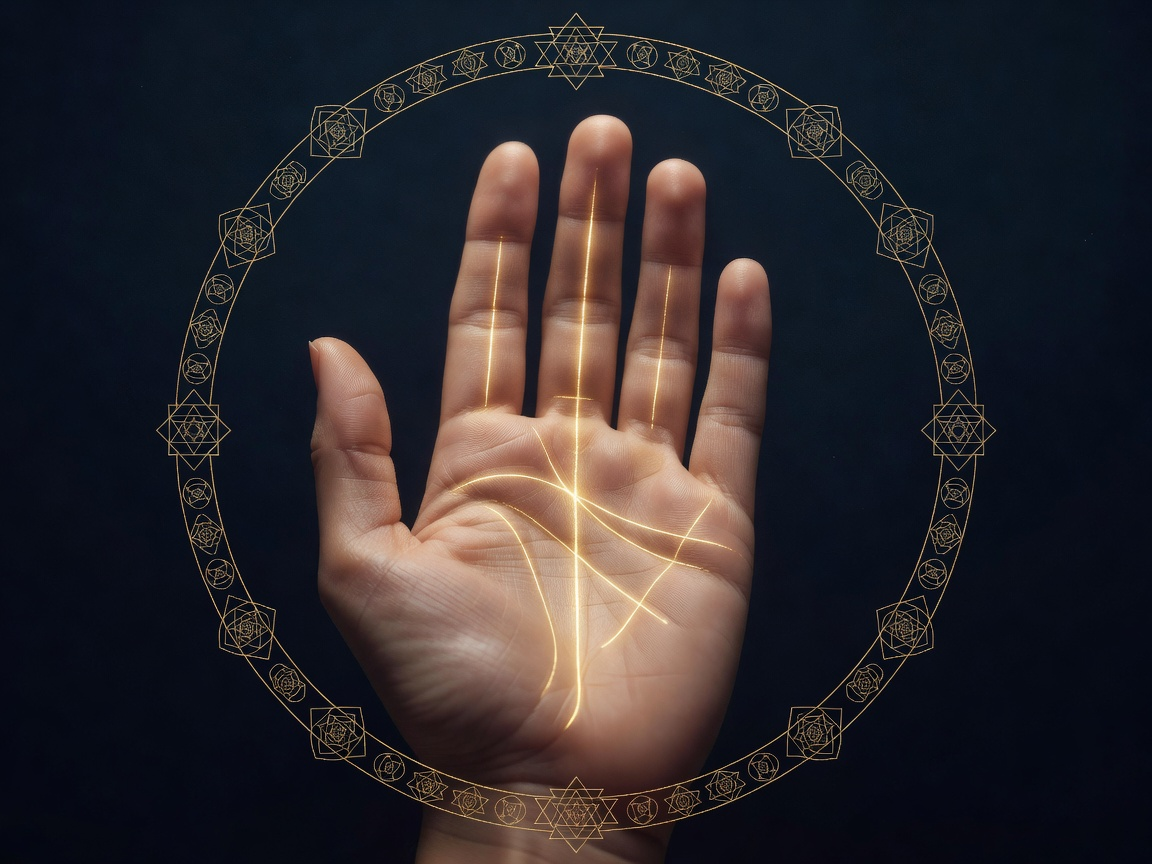
In palmistry, the life line curves around the thumb mount and is traditionally read as an indication of vitality style, connection to family and home base, and how you approach everyday energy, not how long you will live. In ethical practice, no lifespan estimation or medical condition is given from the line. Many clients in New York arrive worried after hearing dramatic claims elsewhere; our session explicitly avoids that framing.
We look at qualities of the line: its clarity, breadth, and continuity. A well-defined life line may traditionally suggest steady routines and strong attachment to home or community, which is common among clients living near extended family in Queens or central New Jersey. A more varied or broken appearance may suggest phases of change, such as moves between neighborhoods, career shifts, or periods of studying and establishing independence. These are described as tendencies for reflection and planning, not medical facts.
We also note markings without alarm. Small cross or island symbols are read in traditional palmistry as possible periods requiring extra attention to habits or boundaries, not as diagnosis. Sessions keep focus on what you can do daily: sleep routines, work-life boundaries, and community connection that support steady energy, while referring all health concerns to qualified licensed medical professionals.
- Life line observed as symbolism for vitality style, not longevity or medical status
- Clarity, depth, and continuity described as traditional tendency language
- No lifespan claims, no diagnosis, supportive habits discussed generally
- Encouragement to consult licensed medical professionals for any health concerns